Master Flower Farming Techniques for Perth Growers

When it comes to growing stunning blooms right here in Perth, we’re in for a treat! There’s something truly magical about nurturing flowers from tiny seeds or tubers into vibrant, fragrant masterpieces. Whether you’re dreaming of a colourful garden, planning a wedding bouquet, or simply want to add a splash of joy to your home, mastering Australian flower cultivation is a journey worth taking. So, let’s roll up our sleeves and dive into the wonderful world of flowers together!
Understanding Flower Cultivation: The Basics
First things first - knowing your soil, climate, and local conditions is key. Australia’s diverse climate zones mean what works in one region might not in another. For example, coastal areas enjoy milder temperatures, while inland regions can get quite hot and dry. This affects which flowers will thrive and when to plant them.
Here’s a quick checklist to get started:
Soil type: Most flowers prefer well-draining soil rich in organic matter. Sandy soils common in many parts of Australia can be improved with compost.
Sunlight: Most flowering plants love full sun, but some prefer partial shade, especially in hotter areas.
Watering: Consistent moisture is crucial, but overwatering can cause root rot. Mulching helps retain moisture and keeps roots cool.
Season: Planting times vary. For example, dahlias do best when planted after the last frost in spring.
By tailoring your approach to your local environment, you’ll set your flowers up for success right from the start.
Choosing the Right Flowers for Your Garden
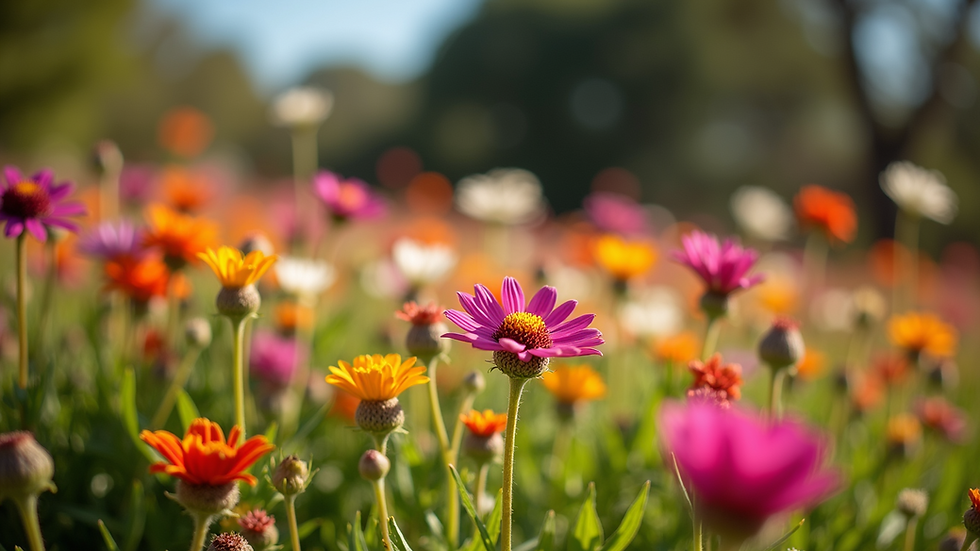
Now, let’s talk about picking the perfect flowers. We want blooms that not only look fabulous but also love our Aussie conditions. Native flowers like kangaroo paw, waratah, and banksia are fantastic choices because they’re adapted to local soils and weather. Plus, they attract native pollinators like bees and birds, which is a win-win for your garden’s ecosystem.
If you’re after something a bit more exotic or traditional, dahlias are a favourite here. They come in all shapes, sizes, and colours, and with a little care, they’ll reward you with stunning cut flowers perfect for bouquets or special occasions.
Here are some tips for selecting flowers:
Match flowers to your climate zone. Coastal, temperate, tropical, or arid – each has its champions.
Consider bloom time. Plant a mix of early, mid, and late-season flowers for continuous colour.
Think about purpose. Are you growing for cut flowers, garden display, or attracting wildlife?
By choosing wisely, you’ll enjoy a garden that’s both beautiful and resilient.
Soil Preparation and Planting Tips for Thriving Blooms
Getting your soil ready is like laying a comfy bed for your flowers. Start by testing your soil’s pH and nutrient levels. Most flowers prefer a slightly acidic to neutral pH (around 6.0 to 7.0). If your soil is too alkaline or acidic, amendments like lime or sulfur can help balance it out.
Next, enrich your soil with organic matter. Compost, well-rotted manure, or leaf mould add nutrients and improve texture. This helps roots grow strong and healthy.
When it’s time to plant:
Dig a hole twice the size of the root ball or tuber.
Loosen the roots gently if they’re compacted.
Place the plant at the right depth – usually the same level it was in its pot.
Backfill with soil and firm gently.
Water thoroughly to settle the soil.
Mulching around your plants keeps moisture in and weeds out. Plus, it adds a neat, finished look to your garden beds.

Nurturing Your Flowers: Watering, Feeding, and Pest Control
Once your flowers are in the ground, the real fun begins! Keeping them happy means regular care, but it doesn’t have to be complicated.
Watering: Early morning is the best time to water. It reduces evaporation and helps prevent fungal diseases. Drip irrigation or soaker hoses are great for delivering water directly to roots without wetting foliage.
Feeding: Flowers love a balanced fertiliser. Look for one with equal parts nitrogen, phosphorus, and potassium (NPK). Feed every 4-6 weeks during the growing season. Organic options like seaweed extract or fish emulsion are gentle and effective.
Pest control: Keep an eye out for common pests like aphids, caterpillars, and snails. Encourage beneficial insects like ladybugs and lacewings by planting companion flowers such as marigolds and nasturtiums. If pests get out of hand, try natural remedies like neem oil or insecticidal soap before reaching for chemicals.
Remember, a healthy garden is a happy garden. Regularly check your plants for signs of stress or disease and act quickly to keep problems in check.
Creating a Blooming Community with Local Flower Farming
One of the best parts of growing flowers is sharing the joy with others. Whether it’s swapping cuttings with neighbours, joining a local gardening group, or visiting a charming spot like A Little Flower Farm, there’s a whole community out there who loves flowers just as much as we do.
This farm is a gem for anyone interested in flower farming. They offer roses as cut flower, dahlia tubers, fresh cut flowers, and unique garden experiences that bring people together. It’s a wonderful way to learn, connect, and celebrate the beauty of some oocal blooms.
By supporting local growers and sharing our own successes, we help keep the tradition of flower growing alive and thriving.
Let’s Keep Growing Together!
So, there you have it - a friendly guide to mastering Australian flower cultivation. With a bit of patience, some good soil, and a sprinkle of love, your garden can become a vibrant haven bursting with colour and life. Remember, every flower you grow is a little celebration of nature’s beauty.
Why not start today? Grab some seeds or tubers, prepare your patch, and watch your floral dreams bloom. And if you ever want to explore more or find special varieties, don’t forget to check out A Little Flower Farm for inspiration and supplies.
Happy gardening, friends! Let’s make our world a little brighter, one flower at a time.


Comments